From High Street to Online: A UK Retailer's Pivot Case Study
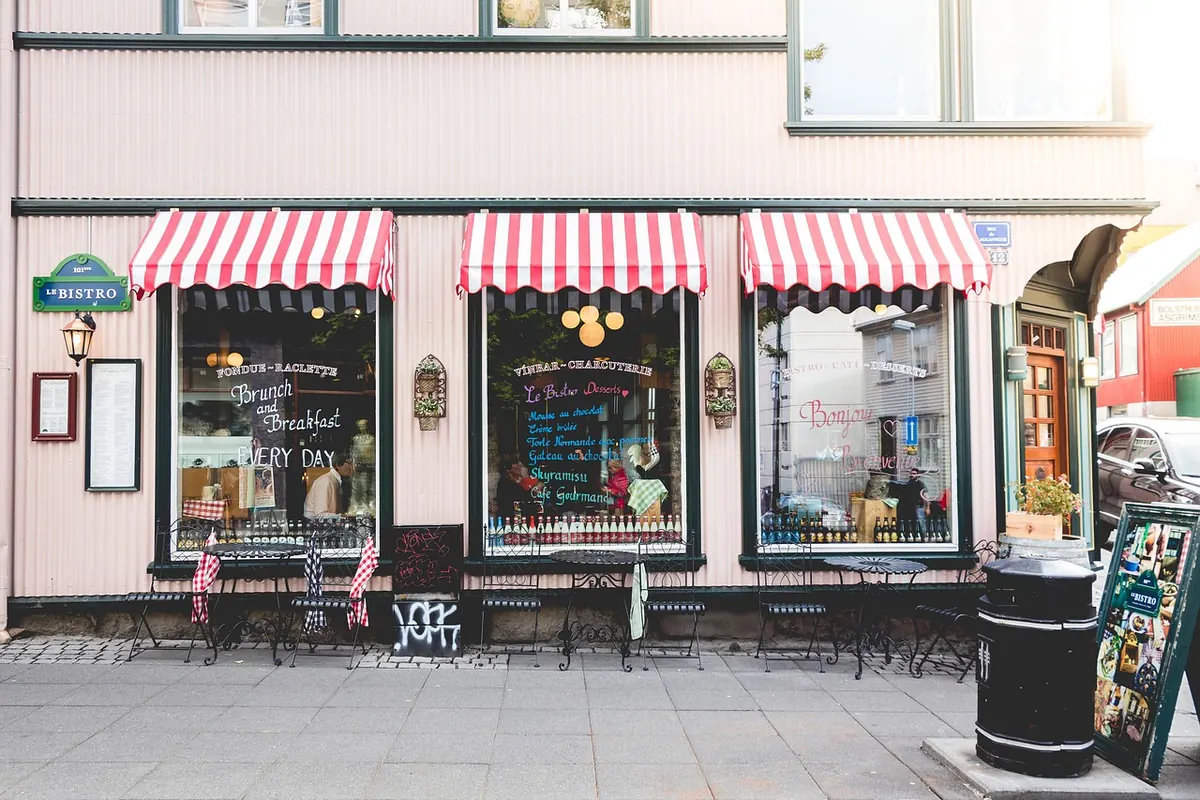
The shop had held the same spot on the same high street for nine years. Rent reviews crept up, Saturday footfall thinned, and Priya — a name she asked us to use instead of her own — was doing what plenty of independent retailers do: opening six days a week, paying herself last, and running the numbers on the back of a delivery note. Homeware, candles, cards, and the small kitchen pieces people buy as gifts.
What follows is how that shop moved online. Not a triumphant relaunch story, and not a cautionary tale either. Just the costs, the mistakes, and the point at which the second till started to earn its keep.
Where the business stood before the pivot
Priya's shop was built on browsing. Baskets were modest — a candle, a card, a tea towel — and the money came from volume plus the regulars who came in most weeks. Greeting cards turned over quickly but carried thin margins. Candles and ceramics earned more, took up more shelf space, and in the case of ceramics carried the constant risk of a chipped corner on a Saturday afternoon.
She had tried the usual half-steps. A Facebook page updated whenever she remembered. A stall at a Christmas market. A listing on a large marketplace site that took a chunk of every sale and handed her a customer she never got to speak to. None of it joined up, and none of it felt like hers. Meanwhile, customers who moved out of the area kept asking whether they could order by post. That question, asked often enough, was the real starting gun.
Deciding what the online shop was actually for
The first useful decision wasn't which platform to use. It was what the website was for. Priya wrote three jobs on a sheet of paper: let regulars reorder things they already buy, take orders for collection so people could pick up on the way home, and sell a small range to customers who had moved away but still wanted the shop's taste.
Those three jobs ruled a lot in and out. No attempt to compete on price with the big retailers. No photographing the entire shop. No pretending the website was a new business rather than a second door into the same one.
The range test
Every product had to pass three questions before it went online:
- Will it survive a courier without being swaddled in half a tree's worth of packaging?
- Can it be photographed well on a phone in daylight, so the buyer knows exactly what will arrive?
- Does the margin still work once postage, packaging and payment fees come out of it?
Anything needing a size decision, anything fragile, anything heavy stayed in the shop. In practice, the online range settled at around two dozen lines that sold steadily, travelled well and photographed cleanly.
What the pivot cost
The money was smaller than she expected, but far more regular. The time was the bigger bill.
- A monthly subscription to an e-commerce platform, chosen for a simple checkout rather than a long list of features.
- Payment processing fees on every card order.
- Packaging: boxes, tissue, tape, labels, and the endless restocking of them.
- Postage, including the gap between what she charged and what a parcel actually cost to send.
- One-off spends on a light box, a second-hand tripod and proper boxes for ceramics.
- Accountancy time to keep online sales recorded separately from the shop till.
Photographing and writing up two dozen products properly took two full weekends. After that, it was an hour or two a week: packing, answering messages, reordering stock, keeping the front page from going stale.
One piece of housekeeping worth doing early: as online turnover builds, VAT thresholds and record-keeping requirements start to matter. A short conversation with an accountant before that point is easier than tidying up books afterwards.
Where it went wrong
The free delivery threshold was set too generously. It felt like good customer service until she worked out that the larger baskets were earning less than the smaller ones once postage and packaging were counted.
She listed things she liked rather than things customers asked for. The best online sellers turned out to be the boring ones — the same candles and cards that walked out of the shop every week.
The site opened with no audience at all. Advertising wasn't the answer. A card and a pen at the till, plus a line on every receipt, built an email list of people who had already chosen to buy. That list became more useful than any paid campaign she could have afforded.
Photography was a trap for a while. Phone photos taken in the dim back room looked murky and made decent stock look cheap. Moving to a table by the window at ten in the morning fixed more than any new equipment did.
The first three ceramics arrived chipped. Better boxes and a proper fragile routine solved it, but the replacements came out of margin. Returns were rare, though each one swallowed the original postage — a reminder that clear descriptions and honest photos cost less than any returns policy.
The early results
Nothing dramatic. The first order came from a regular who now lived two counties away. For a couple of months, two or three orders a week was normal, settling into a steadier trickle with a clear spike in November and December.
Online has not replaced the shop, and is nowhere near doing so. What it has done is cover its own costs, add a modest second income stream, and take the panic out of the quiet weeks in January and February.
Three knock-on effects mattered more than the sales. Click and collect brought people through the door who then bought something else while they were there. Slow-moving stock finally cleared instead of being quietly written off. And the monthly email send became the most reliable marketing the shop has ever had, precisely because it reaches people who have already bought something.
The honest summary: the pivot made the business more resilient, not bigger. That was the actual goal.
If you run a shop and you're weighing this up
The temptation is to treat the move online as one big project with a launch date. It works better as a set of small, repeatable habits.
- Start with the customers you already have. Ask the regulars who moved away whether they would order by post. Build the email list at the till before you build anything else.
- Choose twenty to thirty products, not your whole shop. Favour healthy margins, no sizing questions, nothing fragile.
- Do the postage maths before you promise anything. Weigh a packed parcel, check the price, then add packaging and fees before deciding what to charge.
- Give the site a narrow job. Repeat orders, collection, and a small range for people who live further away.
- Set a rhythm you can keep — an hour or two a week, a photo session each season — rather than a launch you can't maintain.
- Watch four numbers: orders, average basket, postage cost per order, and the hours it takes you. If postage per order creeps up, change the packaging or drop the product.
The shop is still there, still opening six days a week, still selling cards and candles to people who like to browse. The difference is that the quiet days no longer decide the month on their own. The pivot didn't arrive as a single brave decision. It arrived as a series of small, unglamorous ones, most of which were about saying no to things that didn't fit.
Photo: HarryJBurgess / Pixabay